Like the human body, roots need more than just water to function; they need a medium in which to thrive, and most importantly, they need oxygen. That is the bit (Root Zone Structure) growers sometimes overlook, and they can end up scratching their heads over why their crop isn’t acting as it should.
A growing medium can hold plenty of moisture and still cause problems if not enough air is moving through it. When your growing media, whether it be soil, coco or another substrate, becomes too dense, the root zone starts to lose balance. Water absorption falls, wet patches or dry spots can form, oxygen levels drop, and roots have to work harder than they should. Once that happens, the whole plant can slow down.
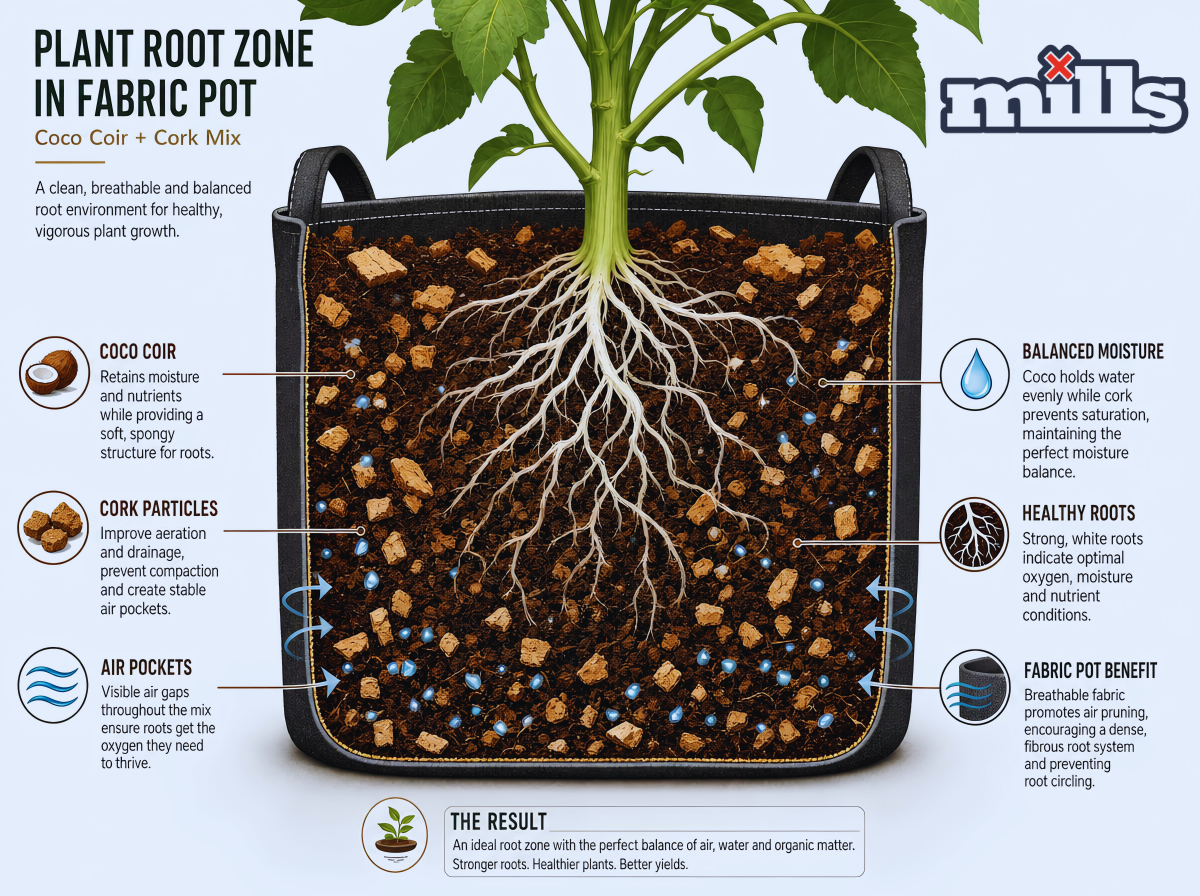
Good root zone structure keeps the air flowing and the root zone open. Water can move through the pot more evenly, without pushing the oxygen out of the picture. The balance is important because roots are not just for soaking up water; they actively take up nutrients, exchange gases, and build the foundation for all the magic that happens above the surface.
Feeding plants is like feeding people; we are what we eat, but your plant only takes on board what the roots can reach and absorb. Imagine having your food dangled above you, low enough that you can see it but too high to reach it. Your plants need easy access to the feed to keep working without stress. The structure has to be spot on.
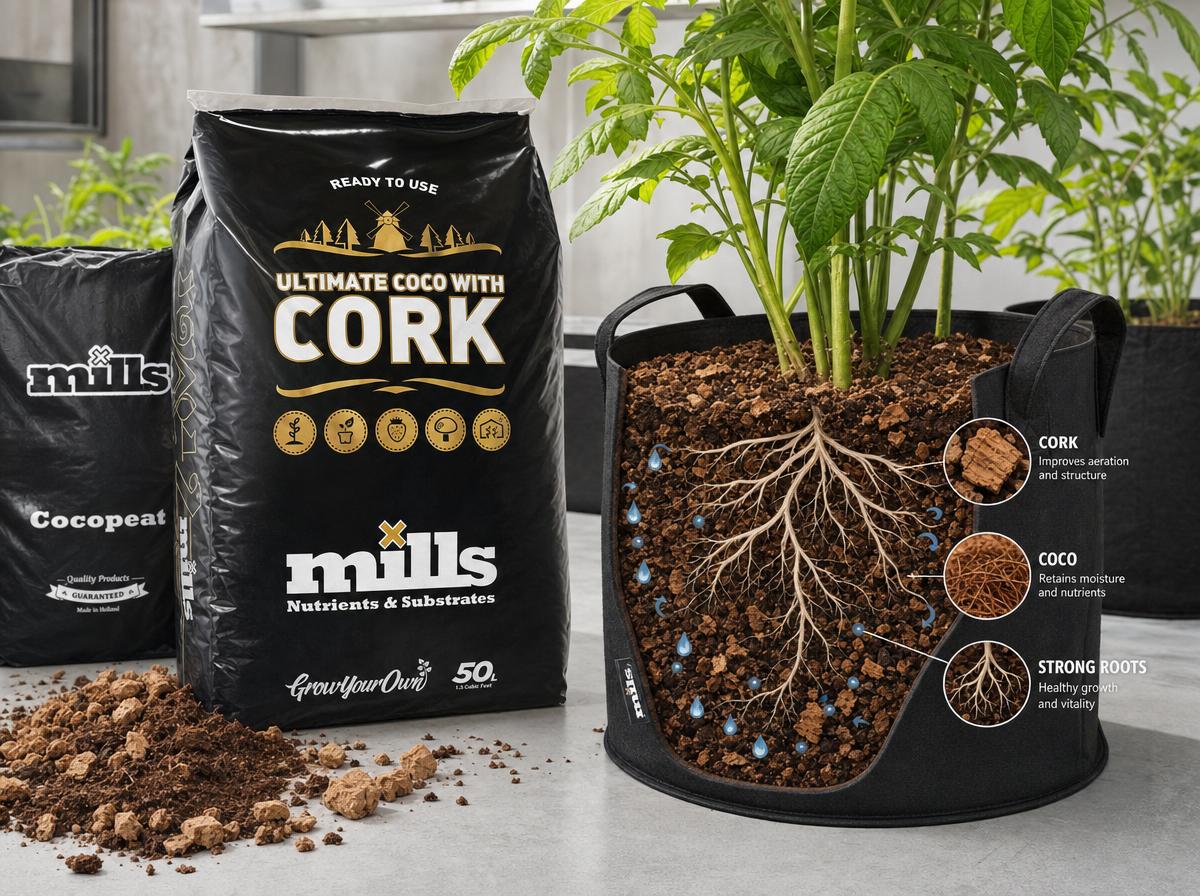
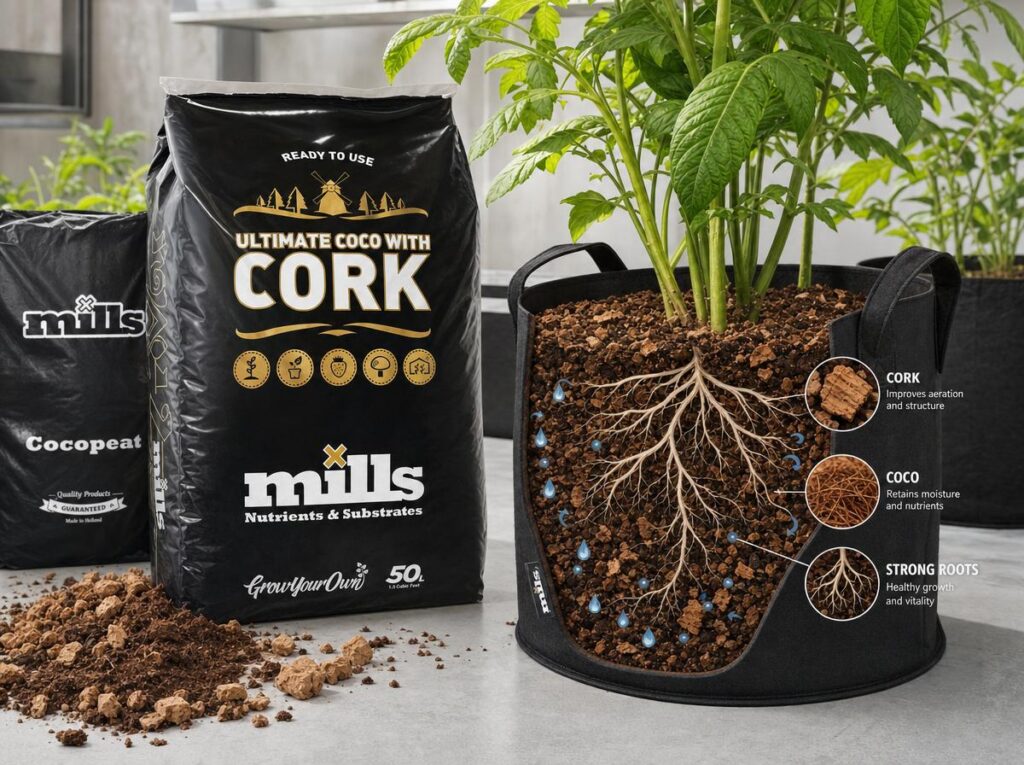
For Mills, we do that by adding cork. You can find it in Coco & Cork or Soil & Coco. It is not there as an add-on. It is there because Mills knows a strong crop starts below the surface. This article explains how cork is more than just something you put in a wine bottle.
What Cork Does Inside Growing Media
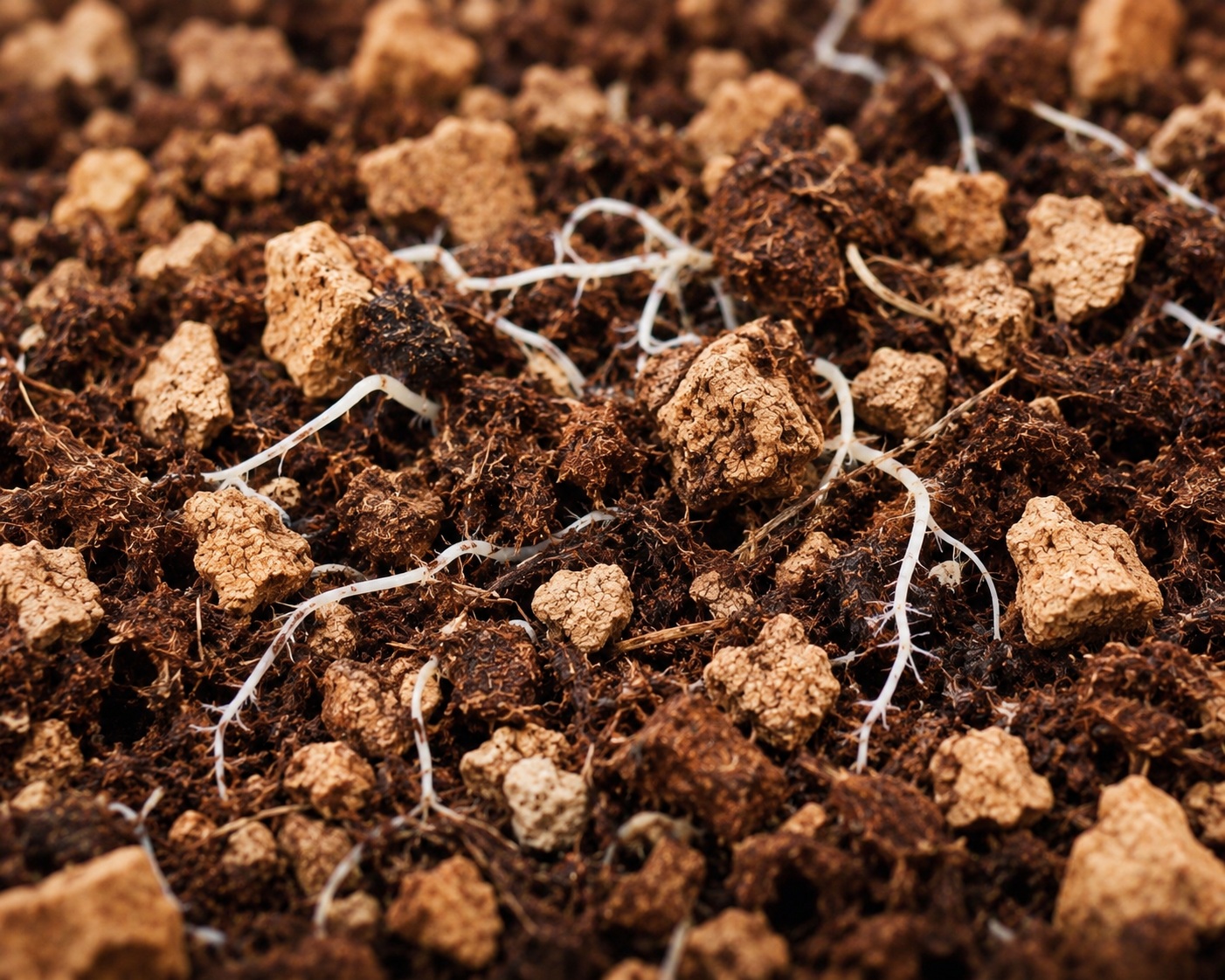
Cork is not in the range to bulk out the grow bag. Once mixed with the growing medium, cork helps create small air gaps throughout, creating a more open structure. Those air spaces help roots get a better balance of oxygen and water. Without that balance, the root zone can become bogged down and harder to manage.
One of the biggest benefits of cork is that it helps prevent the growing medium from compacting and becoming as hard as a rock. Some materials can settle down over time and clump together, especially after repeated watering.
Cork is naturally resilient, helping keep the mix lighter and more open for longer. That gives the roots a better environment in which to grow. Water can move without sitting in the wrong places, oxygen can stay present in the root zone, and the plant has a more stable base to grow from.
Think of cork as a tiny sponge that can hold moisture while still allowing air to move through the mix. Mills works with cork because it helps the plant get enough water and oxygen to keep the roots active and provides enough structure to help stop the bag from turning into a boggy mess.
Why Better Structure Means Better Root Development
For strong plants, the work starts below the surface. You can have all the best gear, the most informed feeding chart, and the fanciest plant genetics in the land, but if your root zone is cramped or deprived of air, the plant is already fighting an uphill battle.
Oxygen keeps roots working as they should. When roots have enough air, they are more efficient, and they take up nutrients at a steadier rate. Better nutrient uptake means the plant can perform better above ground. The warning signs might show up in the leaves, but the issue often starts in the pot.
When a plant starts showing stress, most growers check the feed, the lights and the room first. Fair enough. But sometimes the real problem is lower down, where the roots are trying to work through a medium that has lost its structure.
When the structure is poor, the plant must work harder to progress. If the growing medium compacts, roots can struggle to push through it. Water may collect in certain areas, dry pockets can appear elsewhere, and the plant gets an uneven supply of what it needs. That can send growers chasing problems with extra feed, more adjustments, and loads of panic, when the real issue is that the root zone isn’t working properly.
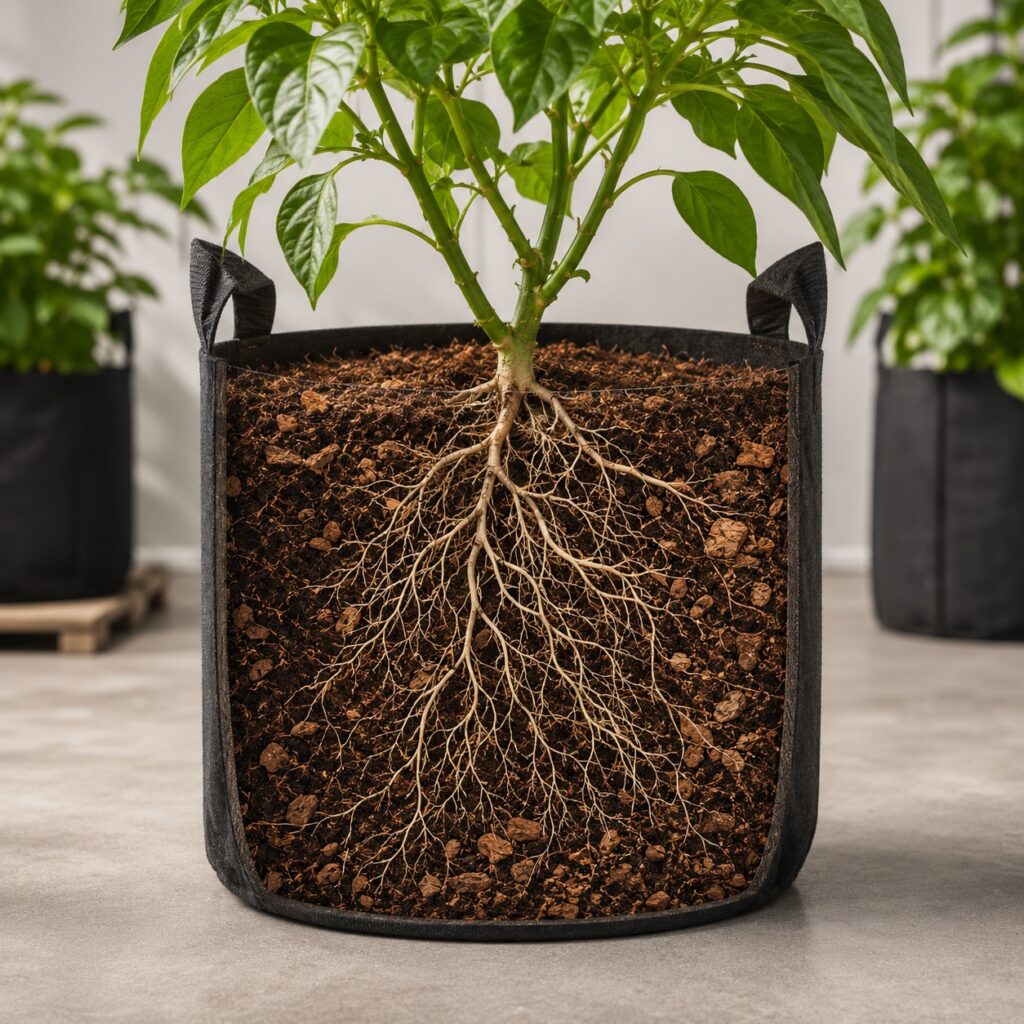
When a plant starts showing stress, most growers check the feed, the lights and the room first. Fair enough. But sometimes the real problem is lower down, where the roots are trying to work through a medium that has lost its structure.
When the root zone structure is poor, the plant must work harder to progress. If the growing medium compacts, roots can struggle to push through it. Water may collect in certain areas, dry pockets can appear elsewhere, and the plant gets an uneven supply of what it needs. That can send growers chasing problems with extra feed, more adjustments, and loads of panic, when the real issue is that the root zone isn’t working properly.
Why Mills Uses Cork
You should have figured it out by now: Mills uses cork because the root zone needs more than moisture. It needs structure, airflow, and enough space for roots to do their job properly. That is what cork brings to Mills Coco & Cork and Mills Soil & Cork. It helps the medium hold moisture without turning heavy, keeps the mix easier to manage, and gives roots a better place to work. Get the medium right, and the feed has a much better chance of doing what it was designed to do.