


Soil or Coco: Which Medium Delivers Better Control in Your Grow?
Soil or Coco? Choosing the right medium isn’t just about preference; it sets the pace and pressure for your entire grow. Go with soil, and you’re getting a built-in buffer, longer feed cycles, and slower release. Choose Coco, and the game speeds up, but it requires tighter control, faster uptake, and more precision.
Neither Soil or Coco is right nor wrong. But the difference matters. It shapes how you feed, how you manage pH, and how quickly your plant responds to stress, nutrients and your own timing.
Here’s how to choose the one that fits your setup and needs and how to feed it properly.
Not Stuck in the Mud: What Makes Soil a Reliable Option
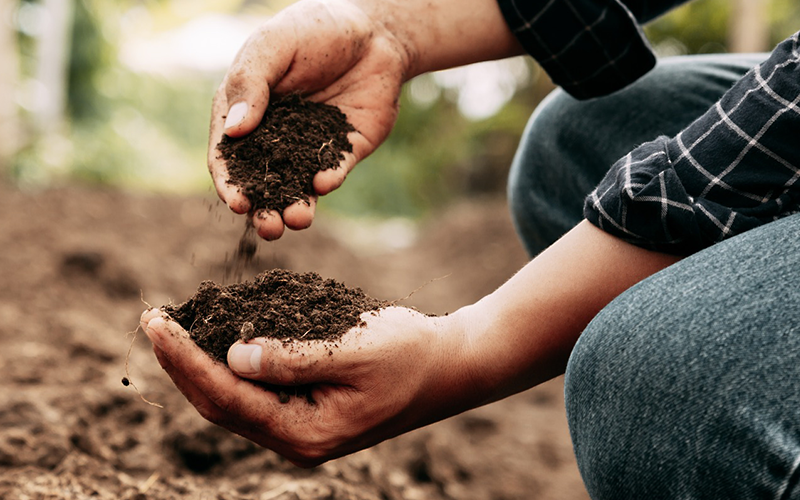
Soil gives you margin. It holds onto nutrients longer, self-regulates pH more effectively than other media, and provides a forgiving start for beginners or anyone looking to take it slow. Because soil contains organic matter, it often supplies some of the early nutrition, meaning your feed input doesn’t have to work as hard straight out of the gate.
But that buffering comes at a cost. Uptake is slower. Responses lag slightly. And if your environment runs hot or wet, poor drainage can create compaction or retention issues that further slow down the process.
With soil, you’ll want to keep feeding simple. Products like Mills Start-R provide early support with bio-available nitrogen, humic and fulvic acids, and kelp extract, encouraging fast root expansion while keeping the medium stable. From there, Basis A&B provides a comprehensive nutritional profile that works seamlessly with organics or pre-fertilised soil mixes.
Loco for Coco: Why Coco Puts You in the Driver’s Seat
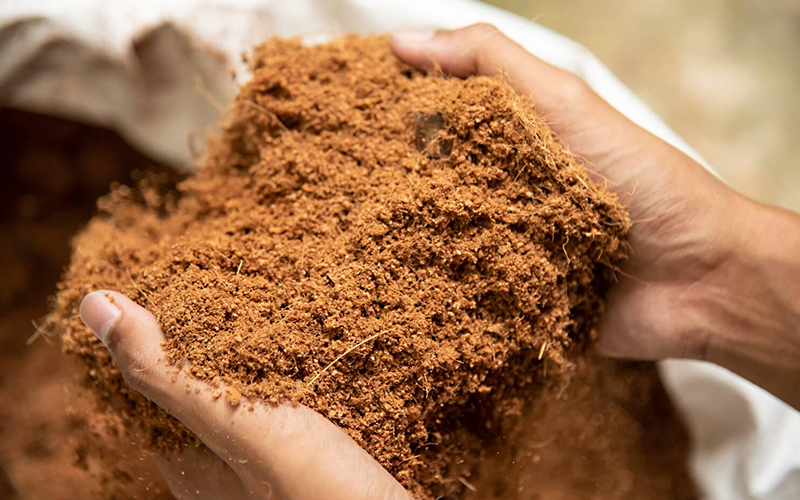
Coco gives you speed and control. It holds moisture and air well, allowing for quicker root development and more aggressive feeding cycles. Nutrients move faster through Coco, and because it’s inert, you’re in complete control of what the plant gets.
That control is powerful, but it means you have to stay sharp. Coco can leach calcium and magnesium, especially when using reverse osmosis or soft water. This is where a CalMag supplement comes in. Although Basis A&B already includes a higher-than-average level of both, certain conditions still require more.
The positive? Faster growth, tighter control over EC and pH, and the ability to push your plants harder if you know what you’re doing.
The challenge? There’s no safety net. If you miss a step, the plant feels it quickly.
Are you up for the battle? Let’s get ready to Coco.
pH and EC: What Each Medium Needs
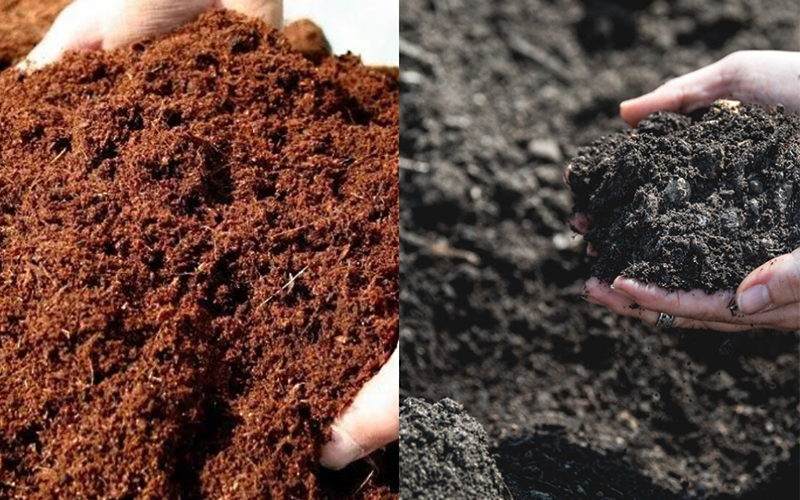
Soil typically falls within the 6.0 to 6.8 pH range, which is ideal for full-spectrum nutrient uptake. It self-regulates to a degree, especially when mixed with composts or buffers. As long as your water is reasonable, you won’t be chasing pH all day.
Coco demands more attention. It relies fully on your feed to determine pH and EC. Runoff should be checked regularly, and feed amounts may need minor adjustments to stay within range. The upside? That control gives you room to fine-tune and spot issues earlier.
Using the Mills Nutrient calculator provides real-time adjustments for both mediums, ensuring you’re not guessing when it comes to EC or nutrient strength.
Which Medium is Right for You?
If you want to maintain stability, minimise the risk of mistakes, and let your medium do some of the work, soil is a solid choice. Especially when paired with balanced inputs, such as Basis A&B, and early-stage support from Start-R.
If you prefer to dial everything in yourself, get faster feedback from your plants, and stay on top of your feed game, Coco gives you that edge. Be prepared to run CalMag support and manage your numbers more closely.
Whichever you choose, the Mills range is designed to run clean across both. You won’t have a bloated bottle list or overlapping products. Just a consistent, full-cycle feed system that adapts to your grow and your medium.
C
