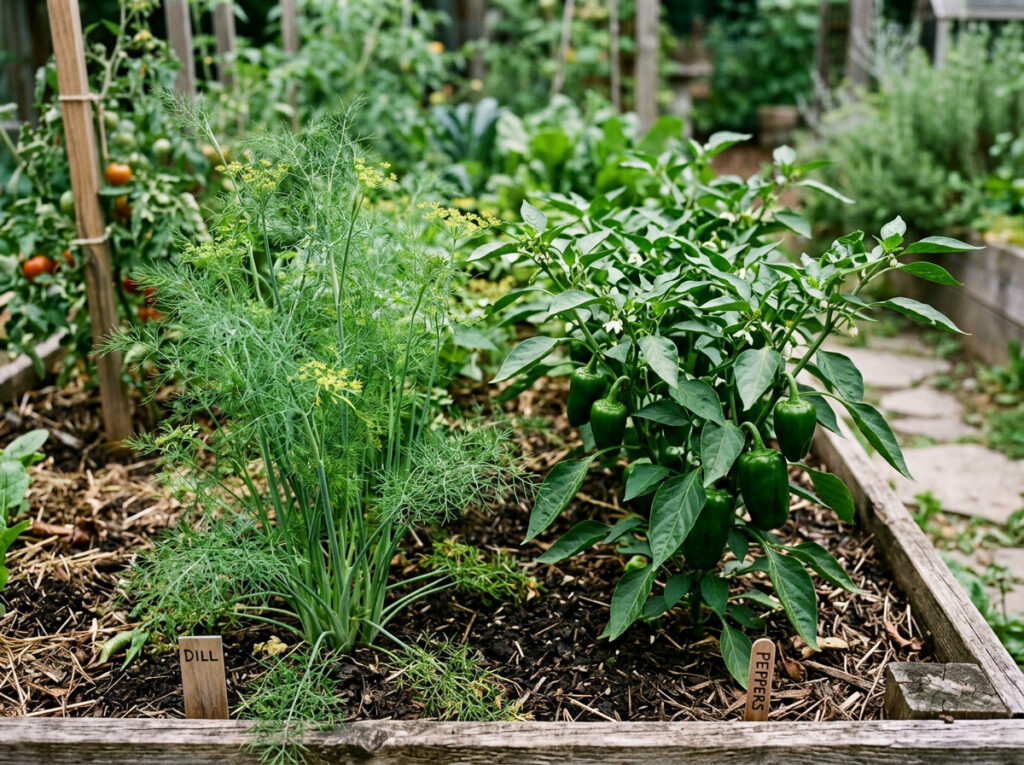
Companion Planting for Vegetables: What to Grow Together for a Healthier Garden
If your veg bed keeps getting bullied by the same pests every season, it’s usually because the setup is too easy to reach, and nature doesn’t even have to work for it.
Companion planting is just you making the garden less obvious. It’s about more scent and variety. More insect life that actually helps. It won’t replace decent watering or a steady nutrient schedule, but it does stop your beds from behaving like an open invitation to every pest in the ecosystem.
What the best companion plants are used for
A companion plant should earn its keep. It needs to do one of these jobs:
- work pests, so it’s harder to find what they want
- attract predators and pollinators
- Bring stability to the bed during the season
- fill gaps in your growing space so weeds don’t win
That’s the simple idea of it. Plants as useful neighbours, not decoration and chit chat.
Basil
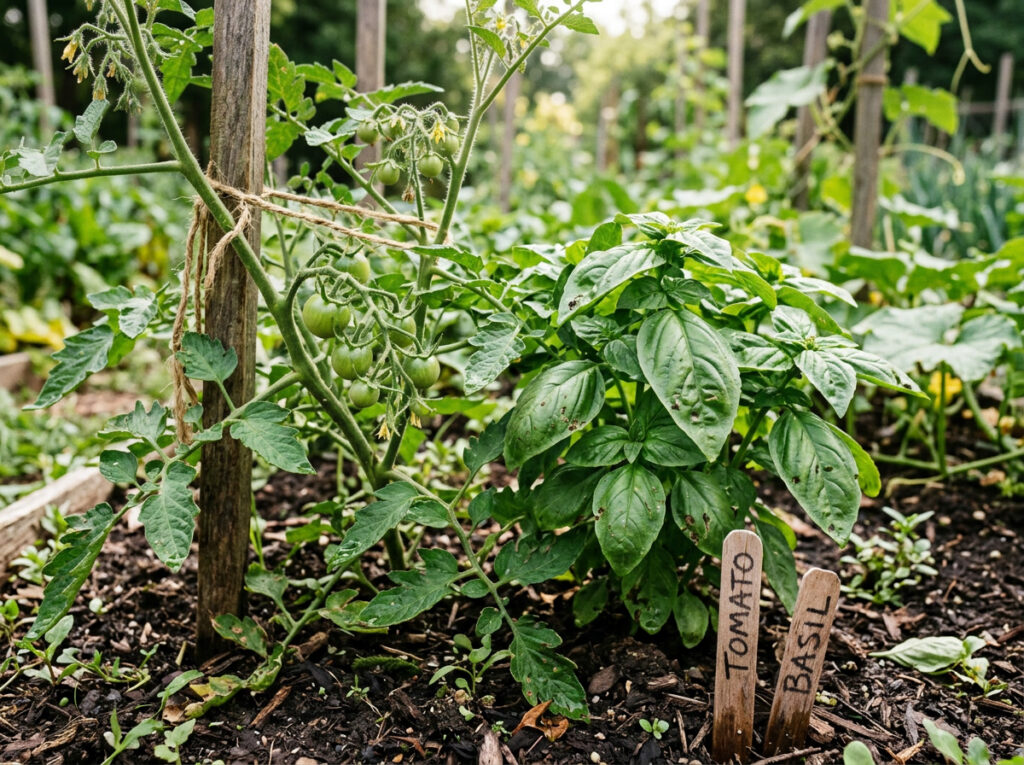
Basil is the easiest, yes. Strong scent, easy to grow, and it actually belongs in the kitchen, which is always a good sign. If you want a simple scent barrier, plant it beside tomatoes and peppers, and along the edge of the bed. Basil doesn’t fix everything, but it’s one of the predictable plants, which means you can put it to work in your garden.
Lavender
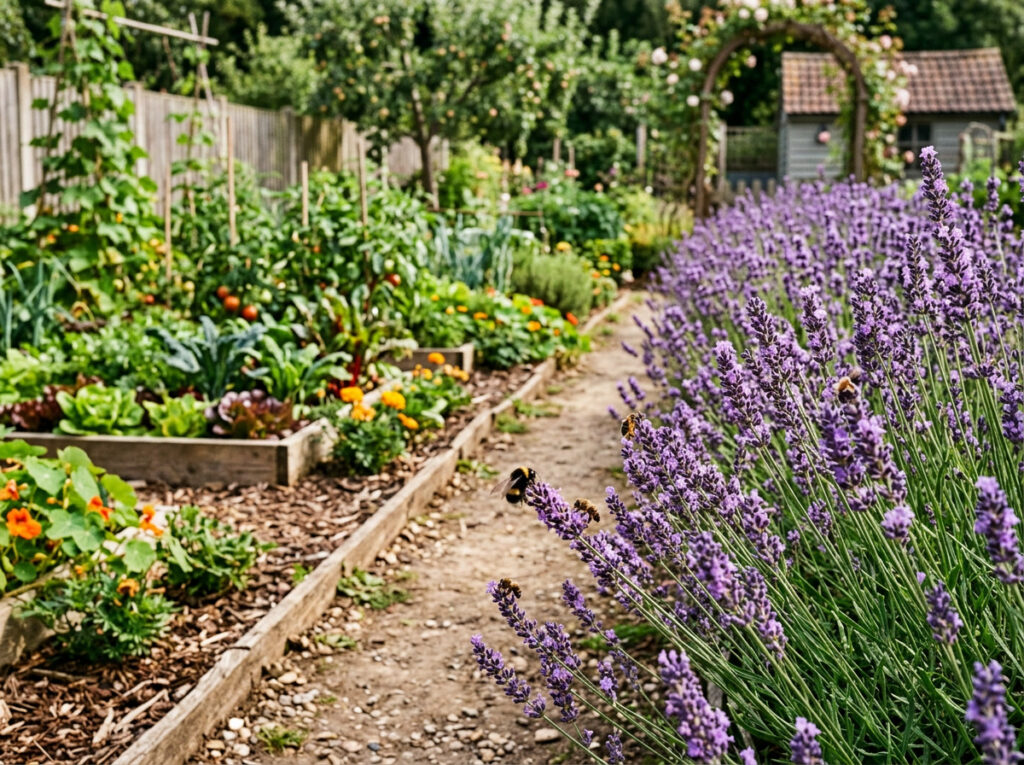
Lavender is not a bed filler; it’s a border move. Its value is in the insect traffic it attracts. Plant some Lavender, and you’ll get more Bees, hoverflies in your growing space, than bikes in Amsterdam. Your garden will feel alive, and that matters for any fruiting crop that needs good pollination to set properly. Plant lavender along paths, borders, and greenhouse doors. Let it sit there for years and do the background work.
Tomatoes
Tomatoes are great. Hardworking and honest growers. When something is not right, like the pH balance or watering off, they show it fast. That makes them a useful addition to your garden because you find the problem early, rather than right at harvest, when it’s too late to fix.
Good companions for tomatoes:
- basil
- dill
- garlic along bed edges
Tomatoes hate slow starts after transplanting. If you want quicker root establishment, Start-R is built for early root development and recovery from transplant shock.
Once the roots are active, the rest of your feeding becomes predictable.
Chamomile
Chamomile is the quiet one. It’s not here to be impressive. It’s here to bring beneficial insects and a bit of balance into beds that would otherwise be all leaf and no ecosystem. Chamomile tucks in nicely among greens, herbs, or fruiting crops, adding diversity without taking centre stage. And it also makes a sleep aid in the form of tea.
Peppers
Peppers hate swings. Wet to dry. Or overfeed one week, underfeed the next. They don’t forgive it and won’t forgive you.
Good companions:
- basil
- dill
- garlic
Peppers are often the first crop to show calcium and magnesium limitations. Peppers are sensitive to swings, especially if you’re running RO, filtered, or soft water. CalMag is built for that exact situation, and it helps stabilise substrate pH as well. It doesn’t act as a booster; it keeps the base stable so you don’t spend the season chasing symptoms.
Peppermint
Peppermint works, but it’s a problem if you let it loose.
Keep it in pots. Place the pots near the beds you want protected. Plant it directly in open soil, and you’ll spend the rest of the year arguing with mint.
Dill
Dill is one of the best practical companions because it attracts predatory insects that help keep pests down. It’s also easy, quick, and doesn’t demand attention. Use Dill around tomatoes, peppers, brassicas, and leafy greens. And if you’re trying to reduce the amount of spraying on your crops, Dill is a sensible replacement.
Radishes
Radishes are fast and an underrated addition to your garden. They fill gaps early season, help loosen soil, and can act as a distraction crop for pests that prefer tender new growth. Sow them between slower starters and harvest them quickly.
Garlic
Garlic is simple and reliable like a vampire sucking blood. Garlic carries a strong smell. It’s easy to place and has many uses after harvest, such as cooking. Plant garlic bulbs along edges or between fruiting crops where spacing allows. It’s not glamorous, but it keeps the crop clean and healthy.
Keep it practical
Companion planting fails when the bed becomes crowded. Air needs to flow among your plants, and you need access to keep on top of them, and the plants also need room to root.
A simple rule set:
- No more than two or three companion plants per bed
- Keep aggressive plants like mint contained to avoid smothering
- aim for variety but keep control.
A mixed garden won’t remove every issue. It will give you fewer of the same ones, which is the real win.